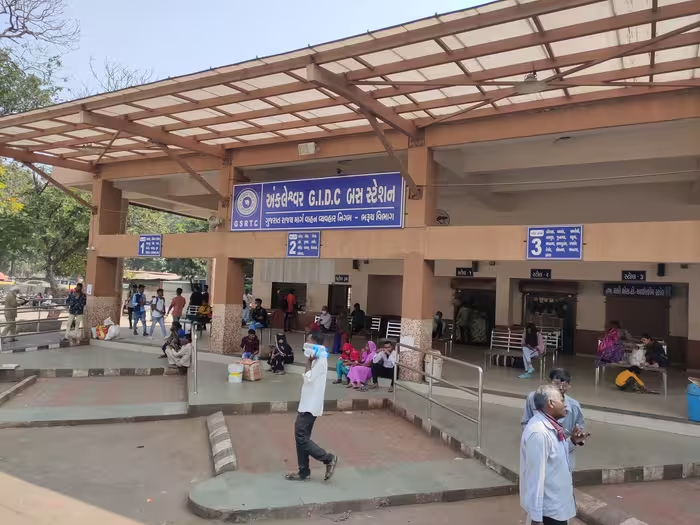
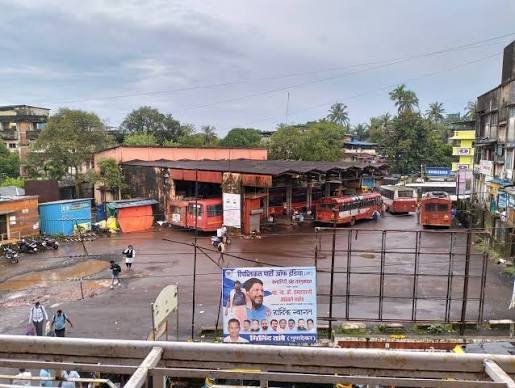
Shirdi Bus Depot serves one of India’s most visited religious destinations, a town that receives over 50,000 pilgrims daily drawn by the Sai Baba Samadhi Mandir. This MSRTC terminal in the Ahmednagar division functions less like a typical district bus stand and more like a dedicated pilgrimage gateway, running special services from dozens of cities across Maharashtra and beyond, with frequency that surges dramatically during major festival dates tied to Sai Baba’s life and teachings.
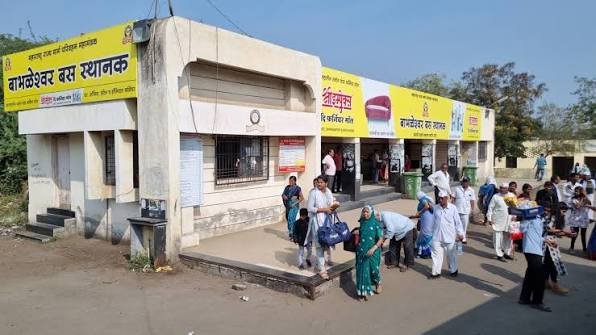
Shirdi Bus Depot Overview
| Detail | Information |
| Operated By | Maharashtra State Road Transport Corporation (MSRTC) |
| Location | Shirdi, Ahmednagar district, Maharashtra |
| Contact Number | 02423-255222 |
| Daily Pilgrim Volume | 50,000+ |
| Distance from Nearby Cities | Nashik (90 km), Aurangabad (126 km), Pune (186 km) |
| Nearest Airport | Shirdi Airport (14 km) |
| Major Festivals | Punya Tithi, Ram Navami, Guru Purnima |
One of India’s Busiest Pilgrimage Bus Stands
Shirdi’s status as a pilgrimage destination places it in genuinely rarefied company among India’s religious sites, with daily visitor numbers that rival or exceed many far larger cities’ entire bus stand traffic. The Shri Saibaba Sansthan Trust manages the temple complex itself, while MSRTC has built out an extensive dedicated pilgrim bus network specifically designed to move this volume of devotees reliably, even during the town’s busiest periods.
This scale of religious tourism shapes everything about how the bus depot operates — boarding points spread across dozens of Mumbai neighbourhoods alone, overnight services specifically timed to deliver pilgrims before dawn darshan, and a fleet mix ranging from basic ordinary buses to premium Volvo coaches, all calibrated to handle a devotee population that spans every economic background and comfort preference.
Locating the Depot
Shirdi Bus Stand sits close to the main Sai Baba temple complex, positioned to minimize the distance pilgrims need to travel after a long journey.
- The bus stand’s proximity to Shri Sai Baba Samadhi Mandir means most pilgrims can walk to the temple directly after arriving, without needing extensive local transport.
- Shirdi Airport lies roughly 14 kilometres away, connected by flights from Mumbai, Pune, and other major cities, offering an alternative for pilgrims prioritizing speed over cost.
- Dwarkamai Masjid, the mosque where Sai Baba resided during his lifetime, sits adjacent to the Samadhi Mandir, forming part of the same compact pilgrimage circuit near the bus stand.
- The depot falls under MSRTC’s Ahmednagar division, reflecting Shirdi’s administrative position within this district despite its outsized national religious significance.
Routes and Key Destinations
Shirdi’s route network reflects its role as a genuine pan-Maharashtra pilgrimage magnet, with connections reaching virtually every significant city in the state.
- Mumbai: One of the most heavily traveled corridors, taking approximately 8 hours with varied traffic conditions, and served by numerous boarding points across the city including Dadar, Sion, Andheri, Borivali, Thane, and Kalyan among many others.
- Pune: A significant connection roughly 186 kilometres away, popular given Pune’s substantial devotee population.
- Nashik: One of the closer major cities at roughly 90 kilometres, itself a significant pilgrimage destination known for its temples and Kumbh Mela association.
- Aurangabad: Approximately 126 kilometres away, useful for pilgrims combining a Shirdi visit with Aurangabad’s historical attractions like Ajanta and Ellora Caves.
- Solapur, Akola, Nagpur, Kolhapur, and Jalgaon: Additional major city connections extending Shirdi’s reach across Maharashtra’s broader geography.
- Local routes connect Shirdi to nearby towns including Rahata, Kopargaon, Sinnar, and Nevasa, supporting both regional travel and connections for devotees combining Shirdi with other nearby religious sites like Trimbakeshwar.
Timings: Planning Around the Aartis
Shirdi’s bus schedules genuinely intertwine with the temple’s own daily rhythm, since most pilgrims plan their arrival around specific prayer sessions rather than simply convenient travel windows.
- The Sai Baba temple opens at 4:00 AM for Kakad Aarti and closes around 11:15 PM after Shej Aarti, with four main aartis structuring the entire day.
- Mumbai to Shirdi buses run at numerous evening and night departure slots — including 3:50 PM, 8:15 PM, 9:00 PM, 9:50 PM, 10:15 PM, 10:30 PM, and 11:00 PM — reflecting how many pilgrims deliberately travel overnight to arrive in time for early morning darshan.
- Several Volvo packages specifically depart late on Wednesday nights, timed to drop pilgrims in Shirdi on Thursday morning well before darshan, since Thursday holds particular significance for Sai Baba devotees.
- Paid aarti passes and VIP darshan bookings typically open 2 to 3 months in advance through the Sansthan’s official website, while free darshan lines operate continuously throughout the day.
Festival Season and Advance Booking
Shirdi’s pilgrim traffic intensifies dramatically during specific dates on the religious calendar, and MSRTC scales its service accordingly.
- Sai Baba’s Punya Tithi, Ram Navami, and Guru Purnima all see significantly increased bus frequency from cities throughout Maharashtra, reflecting the massive surge in devotee numbers during these observances.
- On Thursdays and during Guru Purnima specifically, expect multi-hour darshan queues even with paid passes, given how significant these dates are within Sai Baba worship tradition.
- Advance booking is strongly recommended, particularly on weekends and festival days, since buses fill up very quickly given Shirdi’s consistent status as one of India’s highest-visited religious sites.
- MSRTC also offers private contract buses specifically for pilgrim groups, available by inquiry directly at the bus stand for larger travel parties.
Beyond the Temple: Nearby Attractions
While the Sai Baba Samadhi Mandir remains Shirdi’s overwhelming draw, the town’s location places it within reach of several other significant destinations worth combining into a longer trip.
- Trimbakeshwar Temple, one of the twelve Jyotirlingas dedicated to Lord Shiva, sits within reach via MSRTC’s regional network and draws its own substantial pilgrim traffic.
- Nashik, roughly 90 kilometres away, offers its own significant temple circuit along with the ghats associated with the Kumbh Mela.
- Aurangabad’s historical attractions, including the Ajanta and Ellora Caves, Bibi Ka Maqbara, and Daulatabad Fort, make for a worthwhile extended itinerary for travelers with additional time.
Facilities at the Depot
- Ticket counters supporting MSRTC’s full fleet range, including Sadi, Asiad/Hirakni, Shivshahi AC, Ashwamedh, and premium Shivneri coaches
- Dozens of boarding points across Mumbai alone, reflecting the sheer scale of pilgrim demand from a single metropolitan area
- Online booking, e-ticketing, and mobile app reservations available through MSRTC’s official platforms, alongside dedicated pilgrim special bus scheduling
- Drop points near major Shirdi hotels and the temple complex, including Sai Plaza and several well-known lodging establishments
Practical Tips for Pilgrims
- Book advance tickets well ahead of your travel date, especially for weekend or festival-period journeys, since Shirdi-bound buses fill up quickly given the consistent daily pilgrim volume.
- If Thursday darshan matters to your visit, consider the overnight Wednesday departure packages specifically timed to arrive before dawn prayers.
- Check the Shri Saibaba Sansthan Trust’s official website for paid aarti passes or VIP darshan slots 2 to 3 months in advance if you want to avoid the longest queues.
- If flying into Shirdi Airport, remember that direct MSRTC bus service from the airport itself is limited, so plan for a taxi or local transport for the roughly 14-kilometre journey into town.
Frequently Asked Questions
Q1. How long does the bus journey from Mumbai to Shirdi typically take?
The journey takes approximately 8 hours depending on traffic conditions, with numerous evening and overnight departure options available from dozens of boarding points across Mumbai.
Q2. Why do so many buses depart for Shirdi specifically on Wednesday nights?
Several Volvo and premium services are deliberately scheduled to depart late Wednesday and arrive Thursday morning before darshan, since Thursday holds particular religious significance for Sai Baba devotees.
Q3. When is the best time to avoid the heaviest crowds at Shirdi?
Crowds swell significantly during Sai Baba’s Punya Tithi, Ram Navami, and Guru Purnima, as well as on regular Thursdays, so visiting outside these periods and avoiding the September-October high season generally means shorter queues and easier bus availability.
Q4. Is there direct bus service from Shirdi Airport to the main bus stand?
MSRTC buses connect Shirdi town but rarely run directly from the airport itself, so most air travelers rely on taxis or local transport to cover the roughly 14-kilometre distance into town.