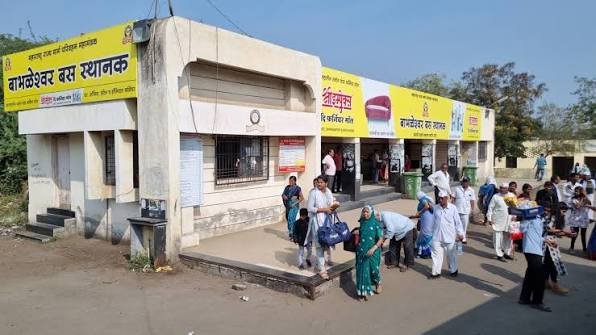
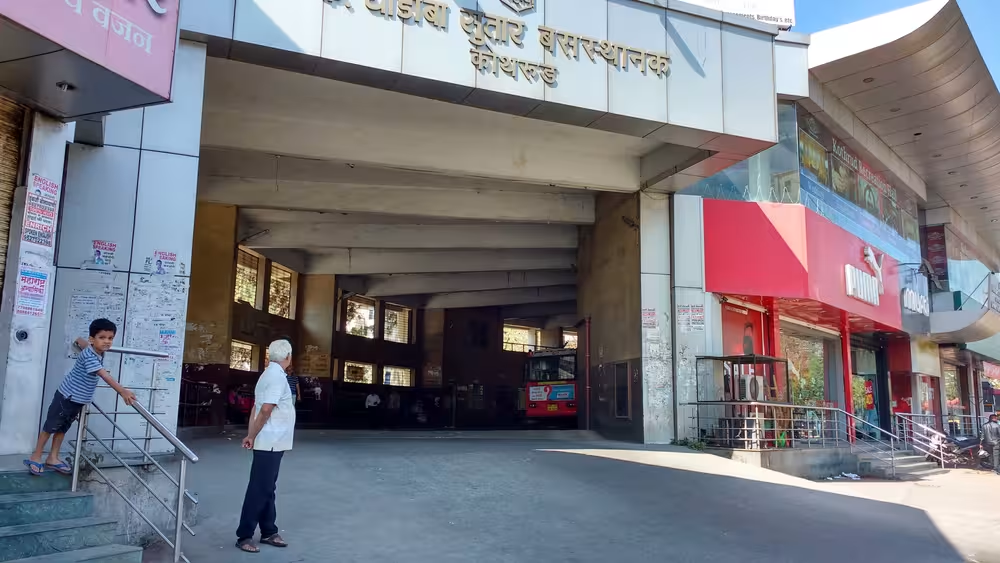
Raiganj State Bus Depot serves the headquarters town of Uttar Dinajpur district, a city standing on the banks of the Kulik river whose modern prominence traces directly back to the geography of India’s Partition. This NBSTC facility moves travelers through a narrow strip of West Bengal connecting the state’s northern and southern halves, and functions as the essential gateway toward Kulik Bird Sanctuary, Asia’s second-largest bird sanctuary and home to nearly 100,000 migratory birds each year.
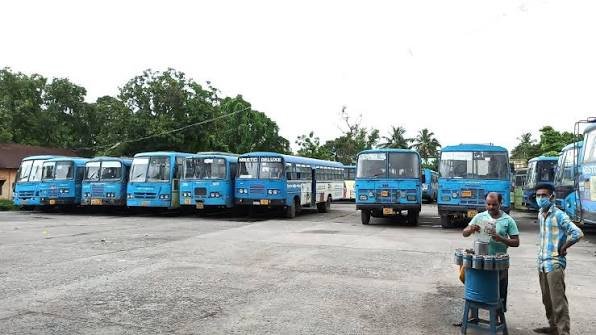
Raiganj State Bus Depot Overview
| Detail | Information |
| Operated By | North Bengal State Transport Corporation (NBSTC) |
| Location | Raiganj, on the banks of the Kulik river, Uttar Dinajpur district |
| Population (2011) | 183,682 (city); 199,758 (metro) |
| Major Routes | Kolkata, Siliguri, Malda, Darjeeling |
| Nearest Railway Station | Raiganj (RGJ), Barsoi-Radhikapur branch line |
| Key Attraction | Raiganj Wildlife Sanctuary (Kulik Bird Sanctuary) |
A District Born From Partition’s Geography
Raiganj’s modern prominence as a significant West Bengal town owes much to the 1947 Partition of India, which reshaped the region’s geography in ways that pushed this Kulik riverside settlement into a genuinely important administrative role. The city sits within a narrow strip of West Bengal that joins the state’s northern and southern portions, a positioning that gained particular significance once Partition redrew the surrounding borders with what became East Pakistan and later Bangladesh.
Today, Raiganj functions as headquarters for Uttar Dinajpur district, a substantial administrative area spanning 3,140 square kilometres with a population exceeding 3 million people according to 2011 figures. The district’s rich alluvial soil supports extensive cultivation of paddy, jute, mesta, and sugarcane, giving this stretch of North Bengal a genuinely significant agricultural economy alongside its administrative importance.
Kulik Bird Sanctuary: Asia’s Second-Largest
Among Raiganj’s most significant attractions is the Raiganj Wildlife Sanctuary, popularly known as Kulik Bird Sanctuary, which draws bird watchers from across India and internationally.
- Established in 1985 and spread across just 1.3 square kilometres, this compact sanctuary ranks as the second-largest bird sanctuary in Asia despite its modest physical footprint.
- The sanctuary is home to 164 recorded bird species, with resident populations including flycatchers, kites, owls, woodpeckers, kingfishers, and drongos.
- Between 90,000 and 100,000 migratory birds visit the sanctuary annually, with major migratory species including egrets, open-bill storks, black-crowned night herons, pond herons, Indian shags, little cormorants, and the distinctive Asian Openbill.
- Per an MEE (Management Effectiveness Evaluation) report, Kulik Bird Sanctuary was ranked among India’s top five national parks and wildlife sanctuaries, placing it alongside West Bengal’s Jaldapara National Park and Himachal Pradesh’s Great Himalayan National Park in terms of conservation effectiveness.
Locating the Depot
Raiganj Bus Stand sits within the city on the banks of the Kulik river, positioned to serve both district administrative traffic and travelers heading toward the bird sanctuary and broader North Bengal region.
- Raiganj Railway Station (RGJ) lies on the Barsoi-Radhikapur branch line, connected to Kolkata via the Kolkata Radhikapur Express and Kolkata Radhikapur Kulik Express services.
- The city sits roughly 425 kilometres from Kolkata, 76 kilometres from Malda, and 181 kilometres from Siliguri, positioning it as a genuine North Bengal waypoint.
- Bagdogra Airport functions as the nearest international airport, requiring onward road travel to reach Raiganj and the broader Uttar Dinajpur district.
- The Kulik Bird Sanctuary itself sits close to Raiganj town, making the bus depot a practical starting point for this significant nature destination.
Routes and Key Destinations
Raiganj’s bus network connects this North Bengal district headquarters to both Kolkata in the south and Siliguri and Darjeeling further north.
- Kolkata: A significant long-distance connection, with NBSTC, SBSTC, and private Volvo bus services all operating on this corridor connecting Raiganj to West Bengal’s capital.
- Siliguri: A substantial northward connection, positioning Raiganj as a practical stopover for travelers heading toward the Darjeeling hills and broader North Bengal tourism circuit.
- Darjeeling: Reachable via connecting services through Siliguri, given Raiganj’s position along this significant North Bengal corridor.
- Malda: A regional connection linking Raiganj to this significant nearby city within the broader Malda division.
- Balurghat: A regional route connecting to this neighbouring district town, part of NBSTC’s broader North Bengal network.
Timings and Fares
Bus timings from Raiganj reflect both regional commuter demand and longer-distance connections toward Kolkata and North Bengal’s hill destinations.
- NBSTC and other operators run services throughout the day toward major North Bengal destinations, with departures typically continuing through evening hours for most routes.
- Long-distance services toward Kolkata typically include overnight options given the substantial roughly 425-kilometre distance involved.
- NBSTC, SBSTC, and private Volvo operators together give travelers meaningful choice between standard government service and premium comfort options on the Raiganj-Kolkata corridor specifically.
- Given the significant distance and multiple operator options, comparing current timetables and fares across these different services is worthwhile before booking longer journeys.
Facilities at the Depot
- Ticket counters supporting NBSTC’s standard fare structure across regional and long-distance routes from this district headquarters
- Access to multiple operators including government NBSTC and SBSTC services alongside private Volvo options for the Kolkata corridor
- Basic waiting and ticketing infrastructure typical of a significant North Bengal district transit hub
- Proximity to Raiganj Railway Station, supporting travelers combining rail and road transport for longer journeys
Practical Tips for Travelers
- If you’re visiting Kulik Bird Sanctuary specifically for birdwatching, plan your trip during the migratory season when the sanctuary’s population swells with tens of thousands of visiting birds.
- For the Kolkata corridor, compare NBSTC, SBSTC, and private Volvo services, since comfort levels and pricing vary meaningfully across these different operators.
- If you’re combining Raiganj with Darjeeling or the broader North Bengal hill circuit, plan your route through Siliguri, which functions as the practical transfer point for this northward journey.
- Confirm current departure times directly with the depot before time-sensitive travel, since North Bengal’s regional bus schedules can shift periodically.
Frequently Asked Questions
Q1. Why is Kulik Bird Sanctuary significant despite its small size?
Spanning just 1.3 square kilometres, this sanctuary ranks as Asia’s second-largest bird sanctuary and was recognized among India’s top five national parks and wildlife sanctuaries in an MEE report, home to 164 bird species and drawing between 90,000 and 100,000 migratory birds annually.
Q2. How is Raiganj connected to Kolkata by bus?
NBSTC, SBSTC, and private Volvo operators all run services on this roughly 425-kilometre corridor, giving travelers choice between standard government buses and premium comfort options for this substantial North Bengal-to-Kolkata journey.
Q3. Why does Raiganj hold particular geographic significance within West Bengal?
The city sits within a narrow strip of land joining the state’s northern and southern portions, a positioning that gained heightened importance following the 1947 Partition of India, which reshaped the surrounding regional boundaries considerably.