Rani Khera Bus Depot sits at the edge of Delhi’s urban sprawl in the northwest, where a cluster of three separate DTC depot facilities serves a locality still carrying its village character even as the capital’s expansion steadily reshapes the area around it. This corner of outer Delhi, close to the industrial belt near Mundka, functions as a genuine transit anchor for a population caught between rural roots and the city’s relentless northwestward growth, and it’s increasingly part of Delhi’s push toward electric public transport.
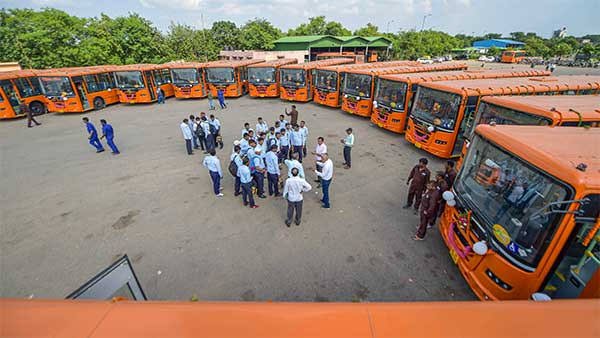
Rani Khera Bus Depot Overview
| Detail | Information |
| Operated By | Delhi Transport Corporation (DTC), with Cluster (DIMTS) services also present |
| Location | Rani Khera, Northwest Delhi |
| Depot Structure | Three separate facilities — Rani Khera Depot 1, 2, and 3 |
| Nearest Metro Stations | Mundka, Mundka Industrial Area, Rajdhani Park |
| Nearest Rail | Mundka, Nangloi Railway Station |
| Routes Serving the Area | 40+ DTC and Cluster services across the three depots |
| DTC Fleet Type | CNG and electric buses |
Three Depots, One Village
Rani Khera’s transit infrastructure is unusual in that it’s split across three distinct DTC facilities — Depot 1, Depot 2, and Depot 3 — all clustered within a short distance of each other around the village. This structure reflects the sheer scale of bus operations DTC maintains in this stretch of northwest Delhi, where a single facility apparently wasn’t sufficient to handle the volume of routes and buses serving this corner of the capital.
The village itself, along with neighbouring settlements like Mubarakpur Dabas and areas referenced as Harijan Basti, retains a genuinely rural character even as Delhi’s urban development steadily encroaches from the east. This gives Rani Khera’s bus network a distinctive dual purpose — serving longstanding village residents alongside a growing population drawn to this affordable stretch of outer Delhi as the city’s core becomes increasingly saturated.
Locating the Depot
Rani Khera’s three depot facilities sit clustered together within the village, positioned along Delhi’s northwestern edge close to the Mundka industrial corridor.
- Rani Khera Village itself sits within easy reach of all three depot facilities, with Depot 1, 2, and 3 spread across roughly a kilometre of the local road network.
- Mundka Metro Station lies about 2 kilometres from Depot 1, giving the area meaningful metro connectivity despite its relatively peripheral location.
- Mundka Railway Station sits even closer, roughly 1.2 kilometres from Depot 1.
- Mubarakpur Dabas and Madan Pur Dabas, neighbouring villages, connect closely to this same transit cluster.
Routes You Can Catch From Here
The route density across Rani Khera’s three depots is genuinely substantial, with dozens of DTC and Cluster services converging on this small area.
- Rani Khera Depot 1 serves 11 different bus routes, connecting toward destinations across Delhi’s northwest.
- Rani Khera Depot 3 handles 13 routes, including services like 114A STL, 161 STL, 921 STL, and 939 STL.
- Rani Khera Village stop itself sees an impressive 45 routes passing through, including connections toward Rohini Sector 22 Terminal, Narela, Bawana, Sultan Puri, Mundka Metro Station, and Rithala Metro Station.
- Services extend toward Peera Garhi Chowk, Karampura, Zakhira, and even as far as Lampur Border and Katewara Village, reflecting the breadth of Delhi’s northwestern outer boundary that this depot cluster serves.
- Many routes carry the “STL” designation, indicating short turnaround or specific scheduling patterns common to DTC’s outer-Delhi service network.
Timings You Should Know
Bus timings across the Rani Khera depot cluster follow standard DTC operating patterns, with variation across the numerous routes serving this area.
- Given the sheer number of routes — over 40 across the various stops in this cluster — individual service frequency varies considerably depending on the specific destination and route number.
- Buses may run late due to traffic, breakdowns, or route diversions, particularly during Delhi’s characteristic peak-hour windows of 8-10 AM and 5-7 PM.
- The rural-urban fringe character of this area means demand patterns can differ somewhat from central Delhi, with village-to-village connections alongside longer commuter routes toward metro stations and central terminals.
- Checking real-time arrival information through a transit app is particularly useful here given how many similarly numbered routes and nearby stops exist across the three depot facilities.
Mundka: Metro and Industrial Gateway
Rani Khera’s proximity to Mundka gives the area meaningful connectivity beyond its own bus network, linking this outer Delhi village cluster to both the metro system and a significant industrial corridor.
- Mundka Metro Station, part of the Blue Line, connects this stretch of northwest Delhi toward central destinations and onward toward Noida.
- Mundka Industrial Area Metro Station adds further connectivity specifically serving the manufacturing and commercial activity in this corridor.
- Rajdhani Park Metro Station offers another nearby option, rounding out a genuinely useful cluster of metro access points for an area that might otherwise feel peripheral to Delhi’s core transit network.
- This combination of bus depot density and metro proximity makes Rani Khera a practical base for residents commuting toward both Delhi’s industrial employment and its central commercial districts.
Delhi’s Electric Bus Revolution
Rani Khera’s bus network operates within the context of DTC’s broader, genuinely significant shift toward electric public transport, one of the most substantial such transitions among any Indian transit operator.
- As of April 2026, DTC operates the largest electric bus fleet among all public transport operators in India, with approximately 4,538 electric buses out of a total fleet of roughly 6,300.
- This transition reflects Delhi’s sustained push to reduce vehicular pollution, a persistent concern for the capital given its ongoing air quality challenges.
- Routes serving outer Delhi areas like Rani Khera increasingly include a mix of CNG and electric buses as DTC continues expanding its cleaner fleet across all 37 depots citywide.
- For residents in this corner of northwest Delhi, this shift means gradually improving air quality benefits alongside the practical transport access the depot cluster already provides.
Facilities at the Depot
- Ticket counters and conductor-based fare collection supporting DTC’s standard fare structure across the numerous routes serving this three-depot cluster
- Basic waiting infrastructure at each of the three depot locations, reflecting their role as genuine operational and boarding points rather than purely maintenance facilities
- Proximity to Mundka’s metro and rail infrastructure, extending practical transit options well beyond the immediate bus network
- Access to DTC’s expanding electric fleet as part of the corporation’s citywide modernisation push
Practical Tips for Commuters
- Given the three separate depot facilities at Rani Khera, confirm which specific depot (1, 2, or 3) your intended route serves before heading out, since they’re close together but not identical stops.
- For metro connections, Mundka Metro Station sits roughly 2 kilometres from the depot cluster, making it a practical option for longer cross-city journeys via the Blue Line.
- During Delhi’s peak traffic hours, build extra buffer time into your journey, since buses through this outer Delhi corridor can run behind schedule due to traffic and route diversions like anywhere else in the city.
- If you’re navigating between Rani Khera’s various stops (Village, Depot 1, 2, 3, and the Depot Crossing), use a transit app to confirm the closest stop to your specific destination, since route coverage varies meaningfully between these closely spaced points.
Frequently Asked Questions
Q1. Why does Rani Khera have three separate DTC bus depots?
The sheer volume of routes and buses serving this stretch of northwest Delhi required splitting operations across three distinct facilities — Depot 1, 2, and 3 — clustered within about a kilometre of each other around Rani Khera village.
Q2. How do I reach Mundka Metro Station from Rani Khera Bus Depot?
Mundka Metro Station on the Blue Line sits roughly 2 kilometres from Rani Khera Depot 1, making it accessible via a short bus connection or auto-rickshaw ride for travelers heading toward central Delhi or Noida.
Q3. Does Rani Khera have access to DTC’s electric bus fleet?
Yes, as part of DTC’s citywide shift toward electric transport — which as of April 2026 makes it the largest electric bus operator among Indian public transit agencies — routes serving Rani Khera increasingly include electric buses alongside the existing CNG fleet.