Silvassa Bus Depot serves the capital of one of India’s smallest Union Territories, a city whose modern history involves a genuine liberation movement — Dadra and Nagar Haveli broke free from nearly two centuries of Portuguese colonial rule in 1954, seven years before formally joining India in 1961. Today, this compact 16-square-kilometre city functions as a genuine industrial powerhouse thanks to decades of tax-free status, while also serving as the cultural heartland of the indigenous Warli community, whose distinctive art form has become recognized far beyond this small territory’s borders.
Silvassa Bus Depot Overview
| Detail | Information |
| Location | Silvassa, Dadra and Nagar Haveli, Union Territory |
| Established (Town) | 1885 |
| Population (2011) | 98,266 |
| Nearest Railway Station | Vapi (approximately 14 km) |
| Distance from Mumbai | Roughly 180 km via NH8 |
| Major Industry | Plastics, textiles, small and medium manufacturing |
| Notable Culture | Warli tribal art and community |
Liberation From Portuguese Rule: A Unique Political History
Silvassa’s modern political identity begins with a genuinely remarkable episode in India’s post-independence history. While the rest of India gained freedom from British rule in 1947, Dadra and Nagar Haveli remained under Portuguese control as part of the broader Estado da Índia. That changed in 1954, when supporters of the Indian Union took control of Naroli on 22 July and captured Silvassa itself on 2 August, declaring the region liberated and establishing “Free Dadra and Nagar Haveli” as a de facto independent political entity.
The Indian flag was hoisted in Silvassa and the national anthem sung, becoming symbols of this newly liberated state, administered by a body called the Varishta Panchayat. This provisional government continued until June 1961, when the Panchayat formally voted to accede to India, and the territory was annexed on 11 August 1961 — making Dadra and Nagar Haveli the very first possession detached from Portugal’s colonial empire through integration with the Indian Union, predating Goa’s own liberation by several months.
Home of Warli Culture
Beyond its unique liberation history, Silvassa holds genuine cultural significance as the home of Warli culture, one of India’s most recognizable indigenous art traditions.
- The Warli people speak their own language, similar to both Marathi and Gujarati, reflecting the territory’s position sandwiched between these two neighbouring states.
- Warli art, characterized by its distinctive white geometric paintings on earthen backgrounds depicting daily rural and tribal life, has gained recognition across India and internationally as a significant indigenous art form.
- Alongside Warli, the broader Dadra and Nagar Haveli region is home to other indigenous communities including the Pardhi people, each preserving their own customs and traditions.
- This tribal heritage sits alongside a small remaining Roman Catholic population and a handful of citizens who still speak Portuguese as a first or second language, reflecting the territory’s genuinely layered cultural history.
A Tax-Free Industrial Hub
Despite its tribal roots and modest size, Silvassa has transformed dramatically into a significant industrial centre, driven substantially by favourable tax policies established by the Indian government following the territory’s integration.
- Silvassa’s initial tax-free status, granted specifically to boost industrial investment in this small Union Territory, has fundamentally reshaped its economic landscape over the decades.
- The city now ranks among the largest collectors of excise duty from more than 3,500 small and medium industries, a remarkable figure for a territory this compact.
- Silvassa has become a genuine hub for plastic products specifically, with goods manufactured here reaching markets throughout India thanks to their combination of quality and competitive cost.
- This industrial transformation means the bus depot’s daily traffic includes a substantial share of factory workers and business travelers connected to this manufacturing base, alongside standard local and tourist traffic.
Locating the Depot
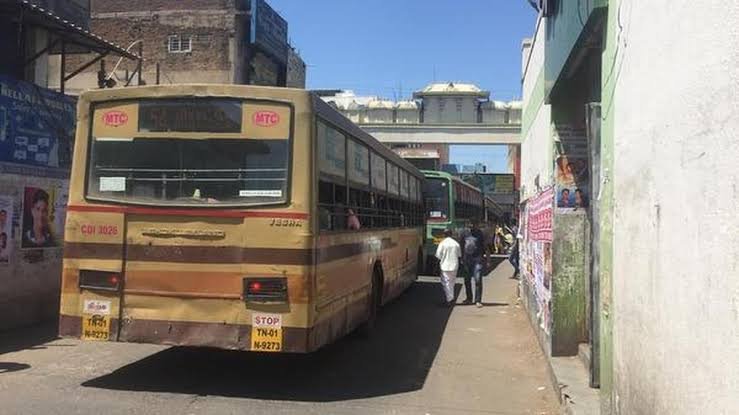
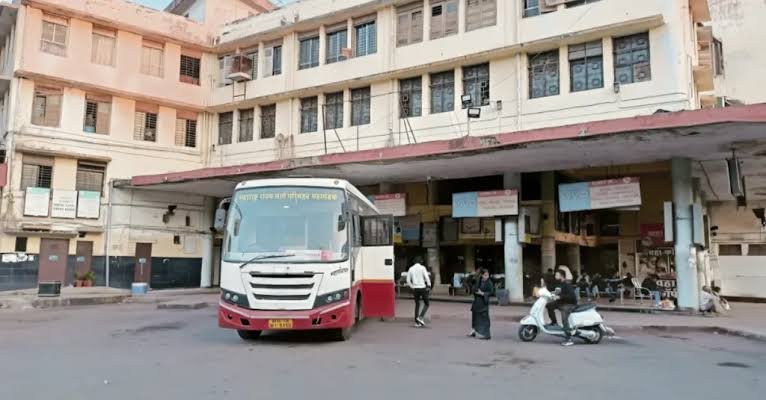
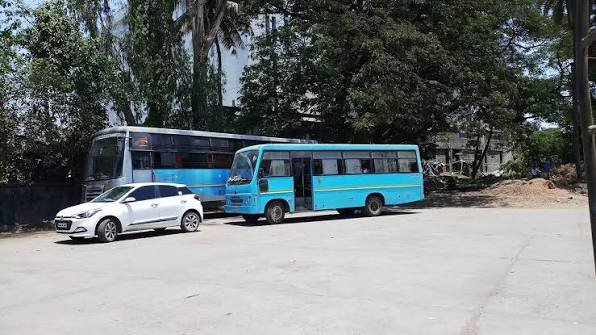
Silvassa’s transport infrastructure centres around facilities serving both local residents and the substantial industrial workforce commuting into the territory.
- Vapi, the nearest railway station, sits roughly 14 kilometres from Silvassa, requiring an auto-rickshaw or bus connection for the final stretch.
- The city connects to National Highway 8, giving it road-based access toward both Mumbai to the south and Ahmedabad and other Gujarat cities to the north.
- Naroli Road, a significant local corridor, houses several transport-related businesses and serves as a key reference point within the city.
- Silvassa’s compact 16-square-kilometre footprint means most destinations within the city itself remain reasonably close to the central bus depot.
Routes and Key Destinations
Silvassa’s bus network connects this Union Territory capital to both neighbouring Gujarat and Maharashtra, reflecting its unique geographic position sandwiched between the two states.
- Vapi: The most essential short-hop connection, linking Silvassa to its nearest railway station roughly 14 kilometres away.
- Mumbai: A significant longer-distance connection, roughly 180 kilometres via NH8, popular given the substantial business and family ties between the two.
- Surat: A regional Gujarat connection reflecting Silvassa’s proximity to this significant textile and diamond trading city.
- Daman: A connection to the other constituent part of the broader Union Territory of Dadra and Nagar Haveli and Daman and Diu.
- Local services within Silvassa and surrounding areas support the substantial daily commuter traffic tied to the city’s numerous factories and industrial units.
Timings and Fares
Bus timings from Silvassa reflect both frequent regional connections and longer routes toward Mumbai and Gujarat cities.
- Local and regional services toward Vapi run frequently throughout the day, given the essential rail connection this route provides.
- Public buses toward Silvassa from surrounding areas have historically been noted by travelers as sometimes overcrowded, with the auto-rickshaw option from Vapi railway station often recommended as a more reliable alternative for that specific short stretch.
- Longer routes toward Mumbai and Surat typically include both day and overnight options given the distances involved.
- Private cab and travel services, including operators covering the Vapi-Silvassa-Daman-Mumbai-Surat corridor, supplement public bus options for travelers prioritizing reliability or comfort.
Silvassa’s New E-Bus Initiative
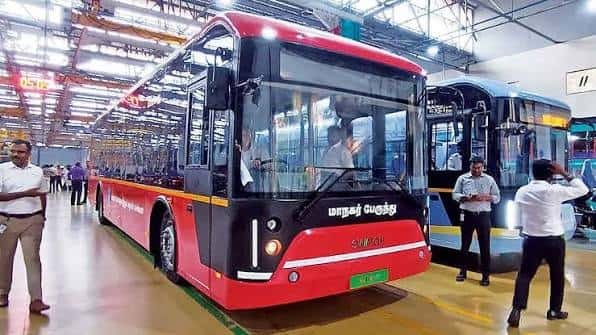
Reflecting broader efforts to modernize the city’s transport infrastructure, Silvassa Smart City Limited has introduced an electric bus initiative as part of the territory’s ongoing urban development push.
- This e-bus program reflects Silvassa’s participation in India’s broader smart cities initiative, aimed at improving local transport sustainability and passenger experience.
- The Silvassa Municipal Council, headquartered on 66 KVA Road in Amli, Silvassa, oversees this development alongside the broader Smart City Limited entity managing such infrastructure projects.
- For a Union Territory capital of Silvassa’s modest size, this e-bus investment reflects genuine ambition to keep pace with larger Indian cities’ transport modernisation efforts.
Facilities at the Depot
- Ticket counters and boarding infrastructure supporting both local and long-distance bus services from Silvassa
- Access to the newer e-bus initiative launched through Silvassa Smart City Limited, reflecting the territory’s ongoing transport modernisation
- Private cab and travel agency services available nearby, supplementing public bus options along the Vapi-Silvassa-Daman-Mumbai-Surat corridor
- Basic waiting and ticketing infrastructure typical of a Union Territory capital serving substantial industrial commuter traffic
Practical Tips for Travelers
- If you’re arriving by train, the most economical approach is exiting Vapi railway station on the east side and taking a union-regulated auto-rickshaw for the roughly 14-kilometre journey to Silvassa, since fares are fixed and generally reliable.
- Given historical reports of overcrowded public buses on some routes, consider private cab services for time-sensitive travel, particularly if comfort matters more than cost.
- If you’re interested in Warli culture, plan time to explore Silvassa’s art and craft offerings, since this indigenous tradition remains genuinely significant to the territory’s identity beyond its industrial reputation.
- For longer journeys toward Mumbai or Surat, compare public bus timing against private travel operators, since both options serve this corridor with different trade-offs in cost and comfort.
Frequently Asked Questions
Q1. What is the historical significance of Silvassa’s liberation from Portuguese rule?
Silvassa was captured by supporters of the Indian Union on 2 August 1954, becoming the first territory detached from Portugal’s colonial empire through integration with India, with the region operating as “Free Dadra and Nagar Haveli” until formally acceding to India in 1961.
Q2. How do I get from the nearest railway station to Silvassa?
Vapi is the nearest railway station, roughly 14 kilometres from Silvassa, and the most economical approach is exiting the station’s east side and taking a union-regulated auto-rickshaw, since fixed rates make overcharging unlikely.
Q3. Why is Silvassa known as an industrial hub despite its small size?
The territory’s tax-free status, granted to boost industrial investment after its integration with India, has drawn more than 3,500 small and medium industries, making Silvassa a genuine hub particularly for plastic products distributed across the country.
Q4. What is Warli culture, and is it still significant in Silvassa today?
Warli is an indigenous community and art tradition native to this region, known for distinctive geometric paintings depicting rural and tribal life, and it remains a genuinely significant part of Silvassa’s cultural identity alongside its modern industrial character.